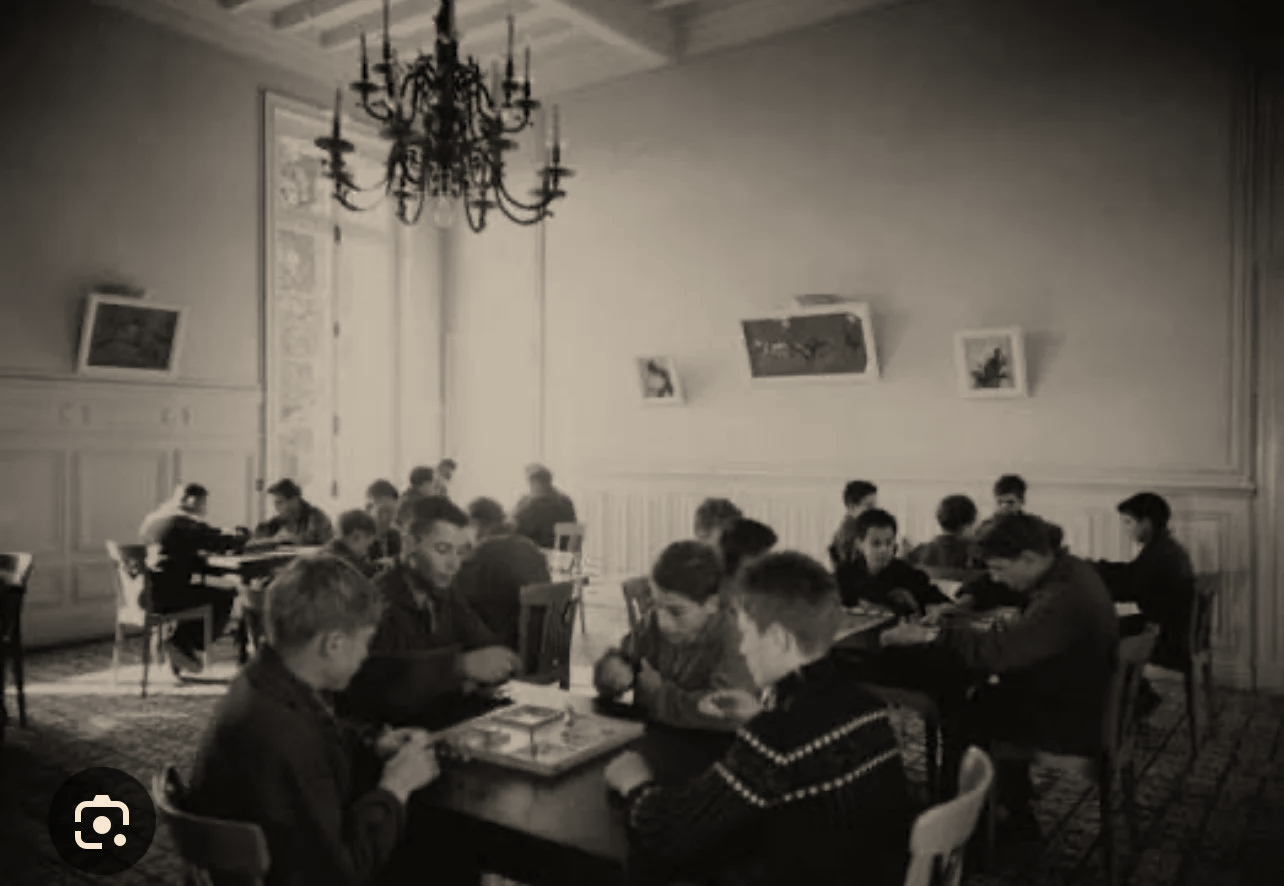
Traveling south, I found myself in a cramped schoolroom in Lyon.
Wooden desks filled the space like rows of tiny coffins; their lids scarred by the initials of the innocence surrounding.
The morning light slanted through tall windows, illuminating notes of chalk dust swirling like snow.The teacher, a stern man with a trimmed beard, opened the day with a reading from Le Tour de la France par deux enfants. His voice swelled with pride as he described the fictional brothers traveling across the nation, discovering its geography, industries and moral virtues. The students listened intently, their small faces serious. “France is your mother,” the teacher stated. “She needs your labor, your discipline, and your love.” The children repeated his words in unison, their voices soft but determined.
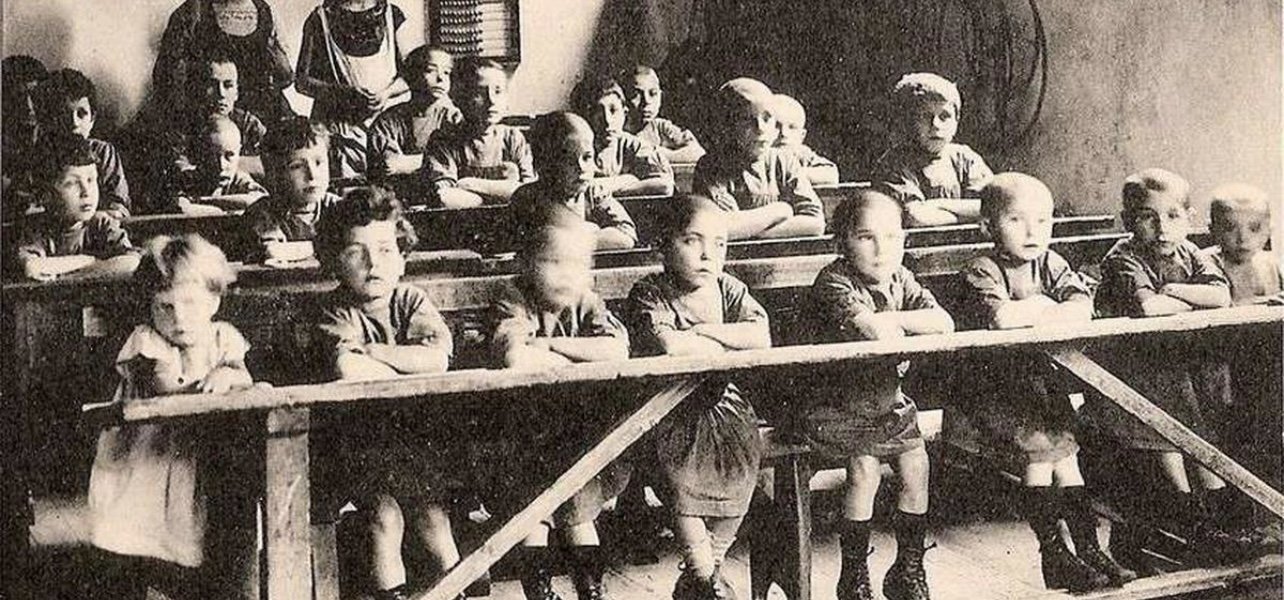
The classroom felt both suffocating and strangely inspiring. The lessons had a soft, patriotic feel, but still firm in what was expected.
Posters on the wall taught hygiene, obedience, and hard work. A chart listed the weekly “moral duties,” including things like respect for parents, courtesy, and punctuality. I felt awe but also unease. French childhood, at least for these students, was a carefully designed institution. These children were being molded not only into adults, but into citizens.