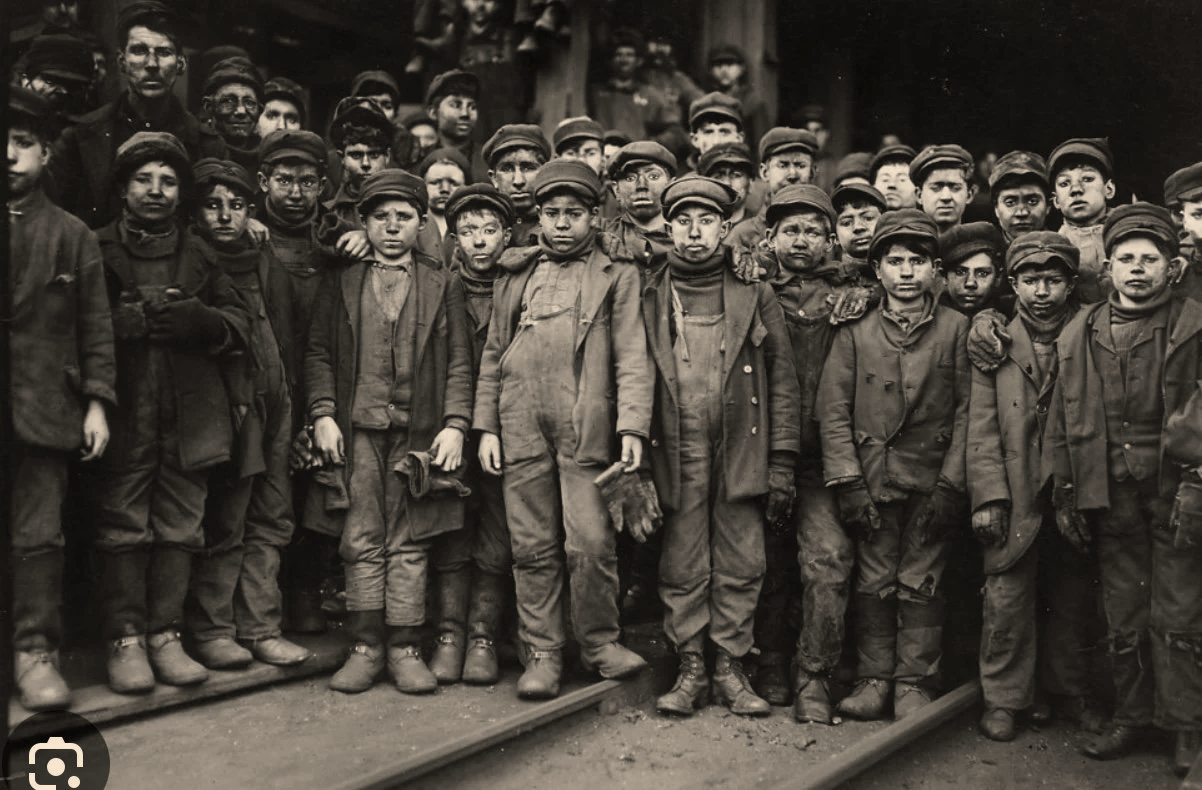
My next stop shattered the orderly image of childhood crafted in the schoolhouse.
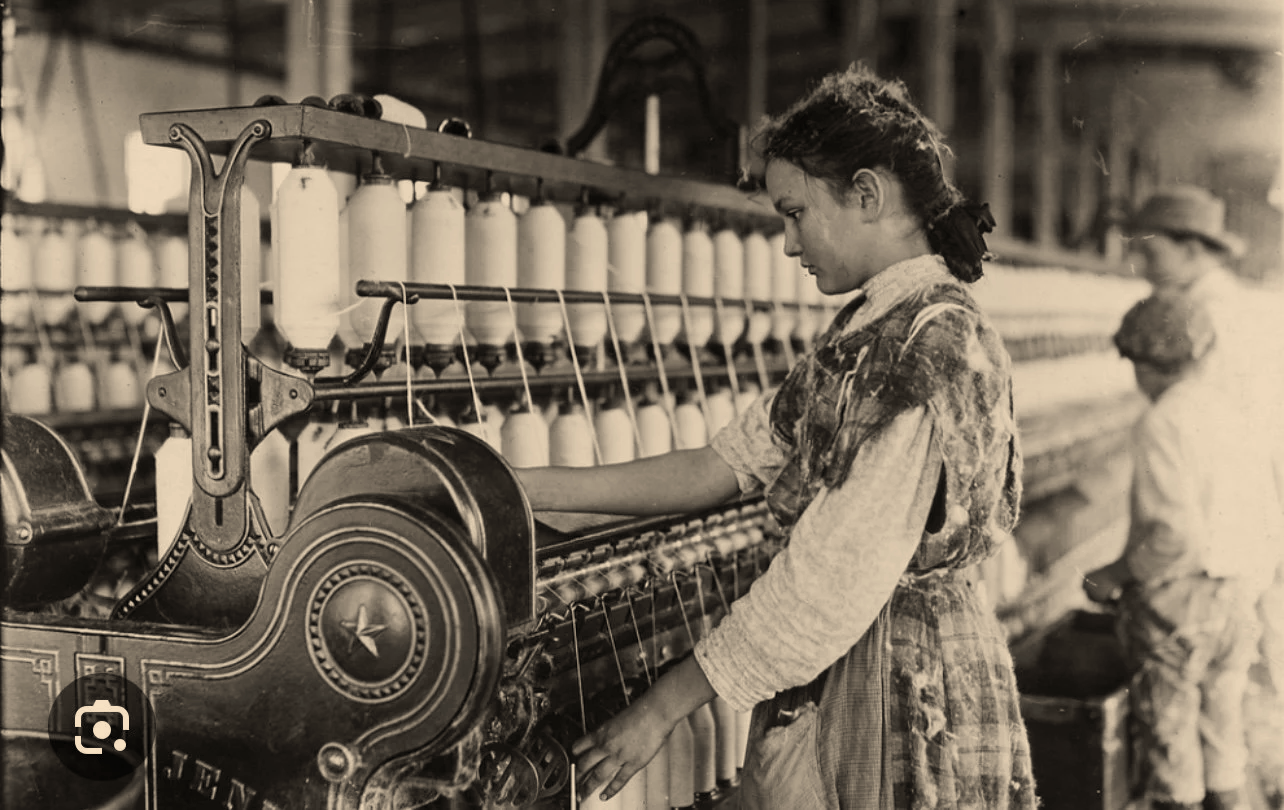
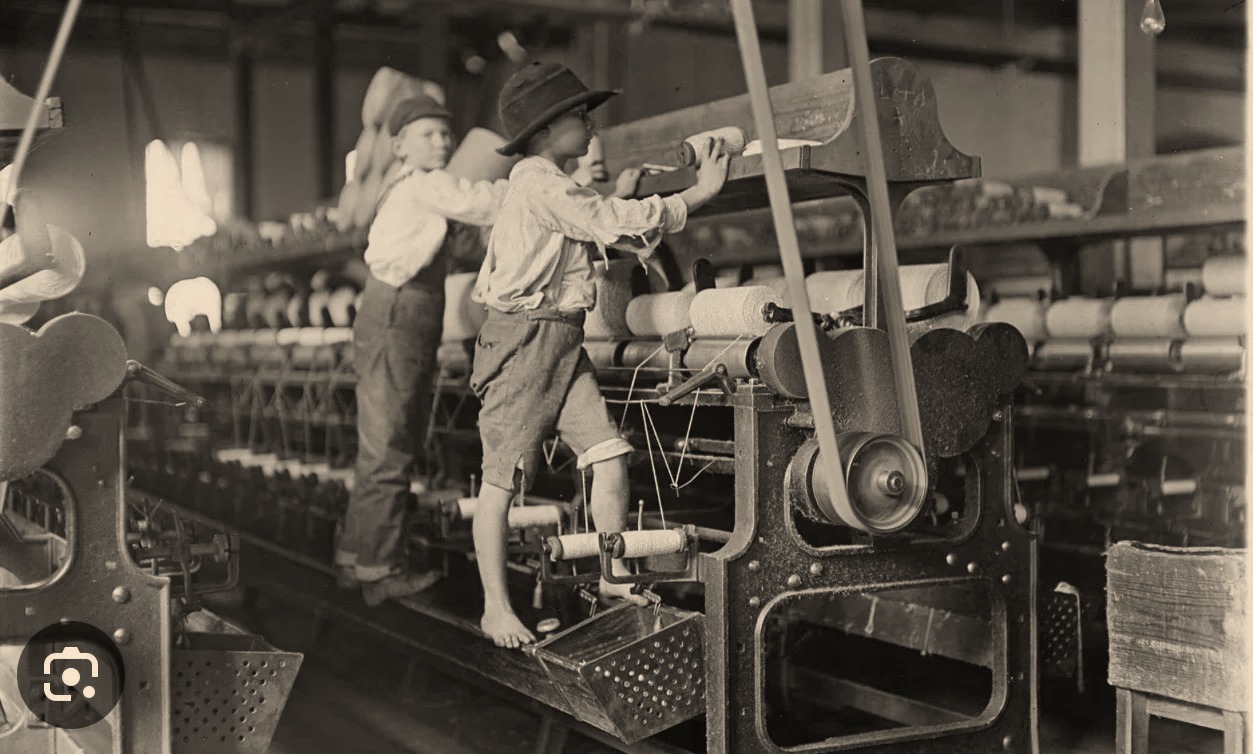
The textile mills of Roubaix, near the Belgian border, roared with mechanical life. Inside the air was thick with lint, the smell of oil, and the heat of crowded bodies.
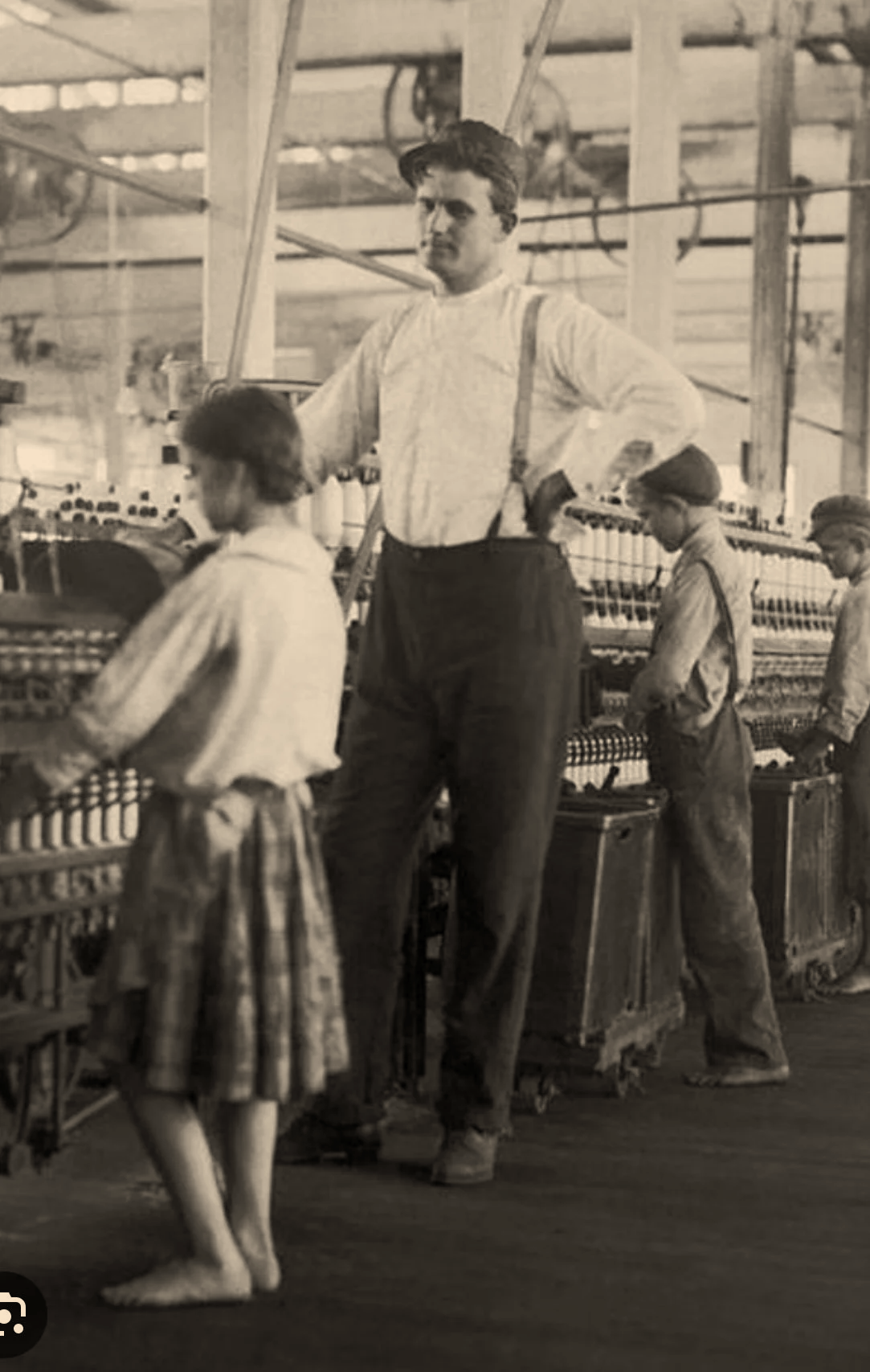
Children, majority no older than eight or nine, stuck to machines with their fingers moving with crazy precision. I watched a girl named Marie tie broken threads faster than I could blink. Her hands shook ever so slightly from exhaustion, and she trembled whenever the overseer passed by. The noise was overpowering, almost as if I was standing inside a giant iron heartbeat. Conversations were impossible, only gestures and urgent glances were exchanged between workers.
Despite laws restricting child labor, the factory floor told a completely different story. The families needed the wages, the factory owners needed the tiny hands, and the state simply could not fully enforce its reforms. As I left the mill, I realized the contradiction at the heart of this society: France celebrated an idea of a protected and educated childhood even as thousands of children endured long hours and danger. Childhood was not a universal experience but instead a privilege shaped by class.